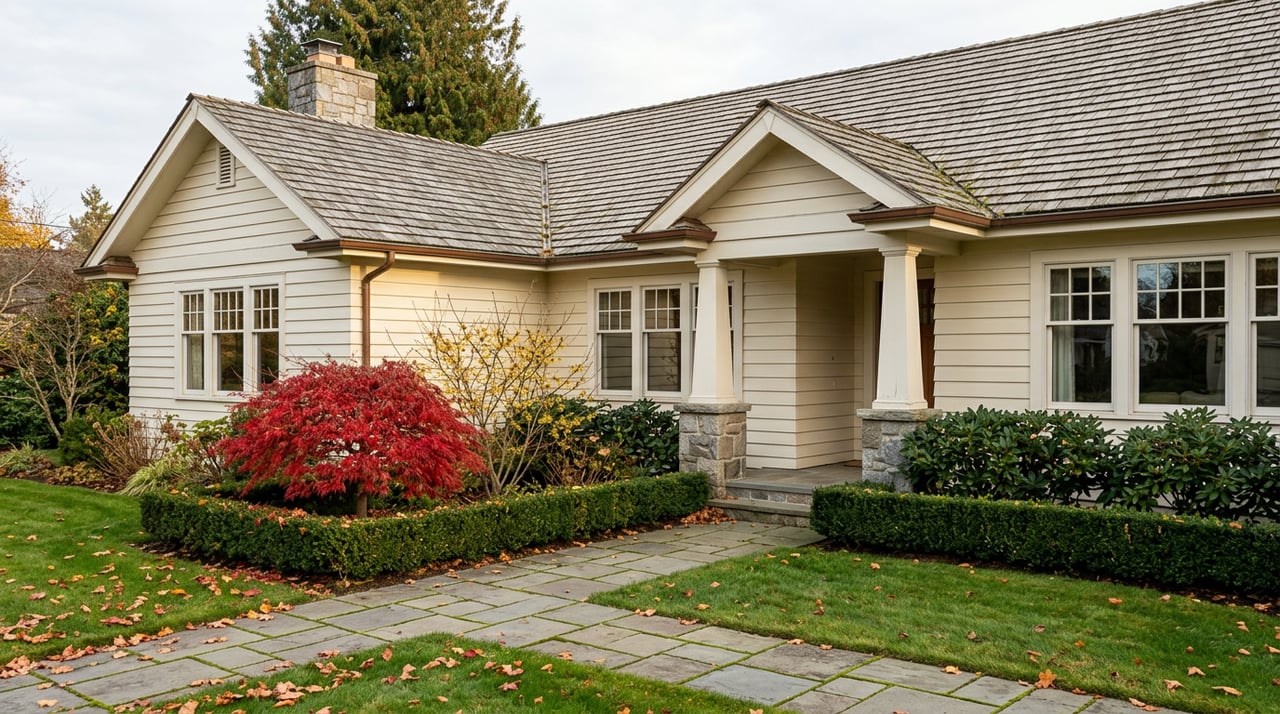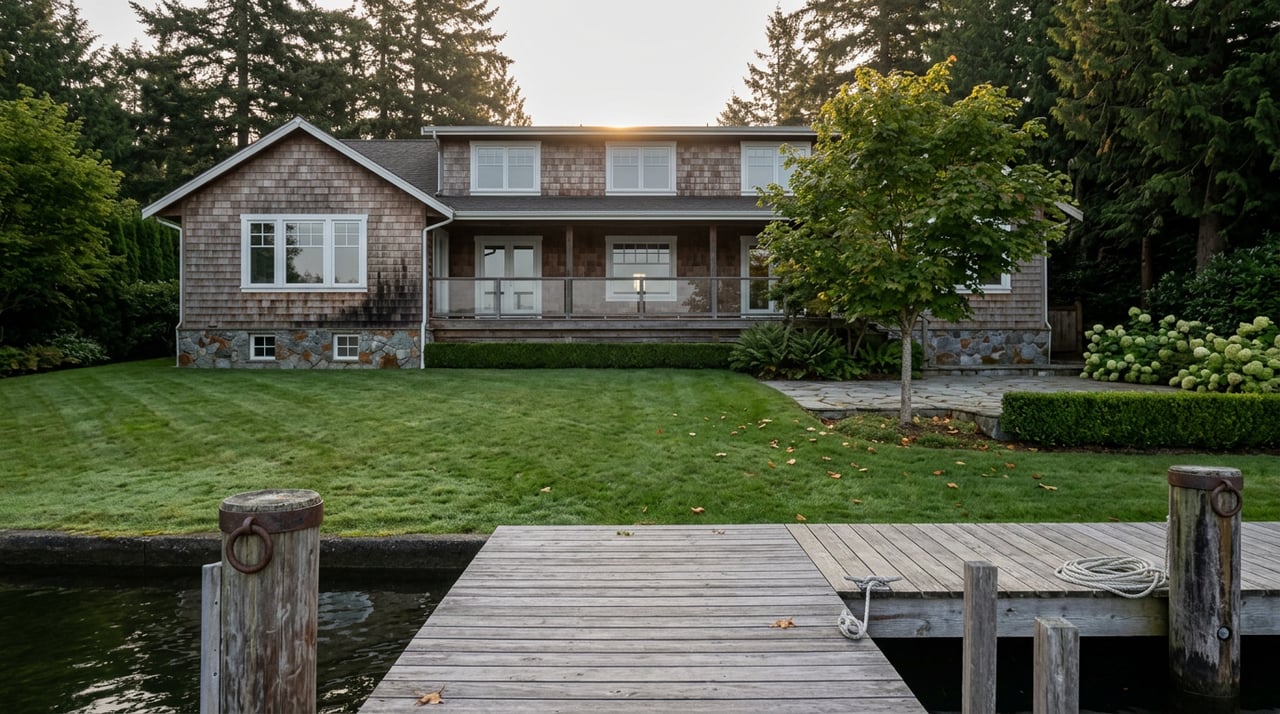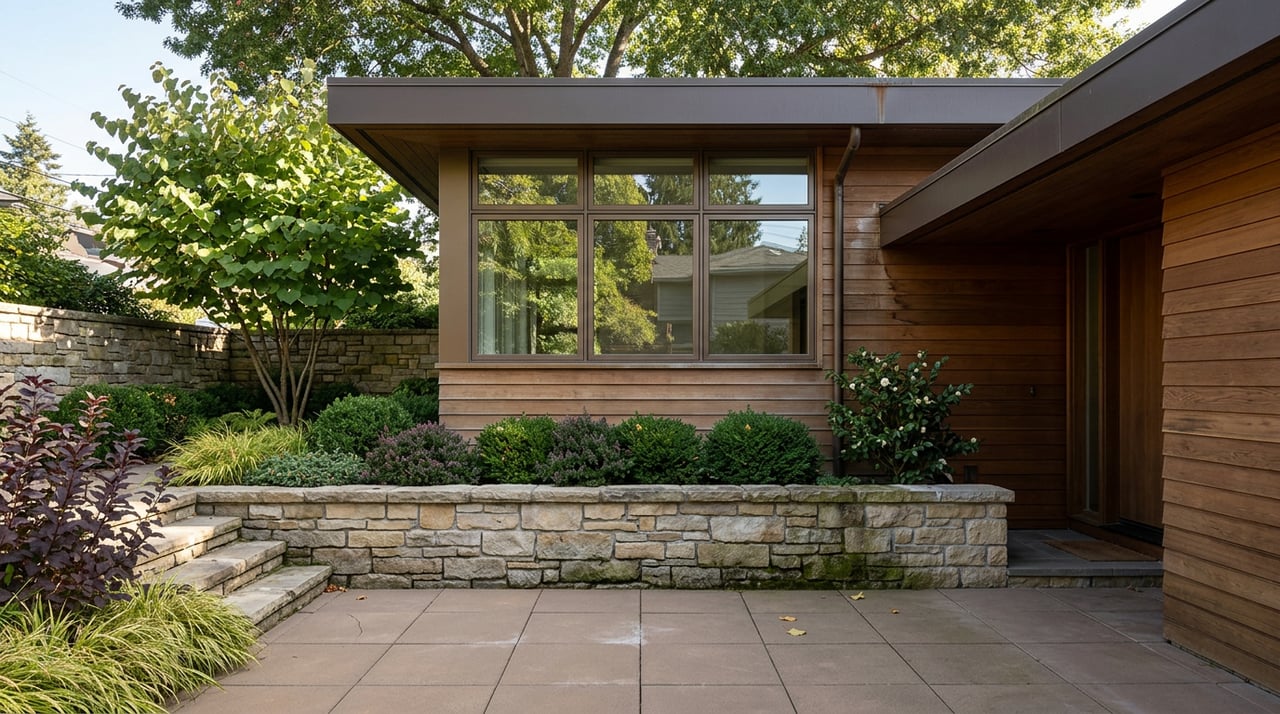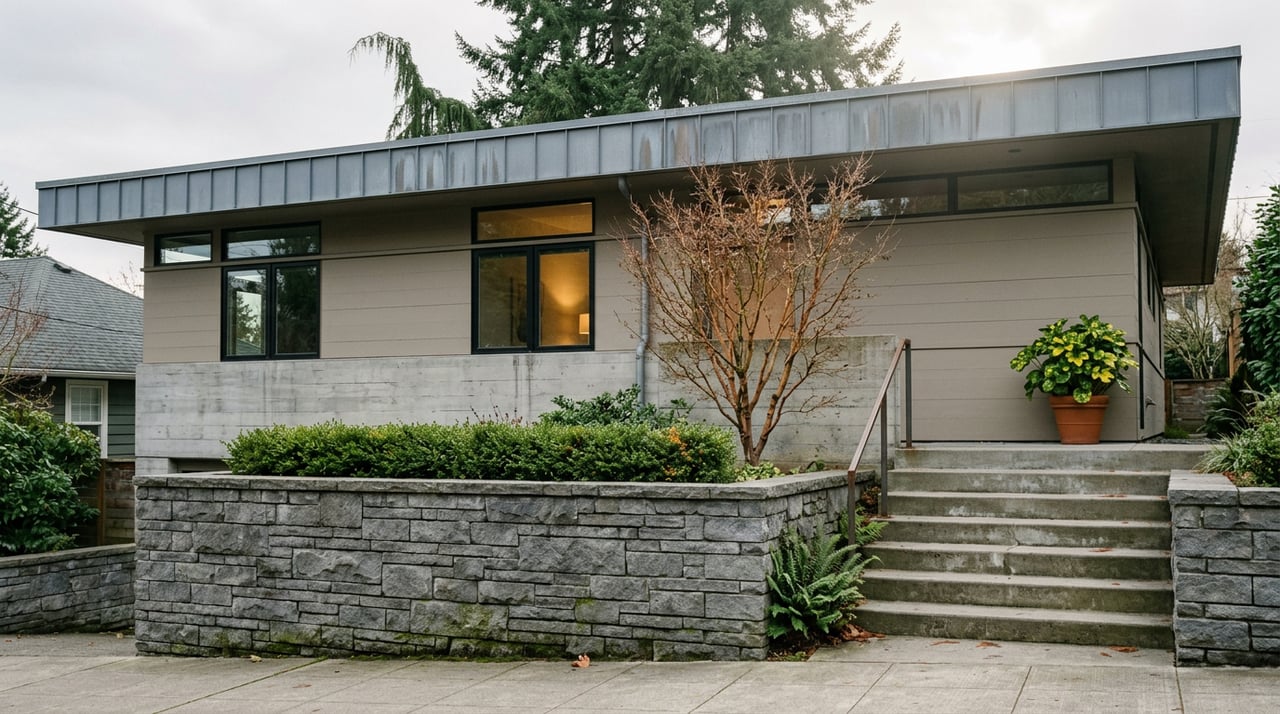
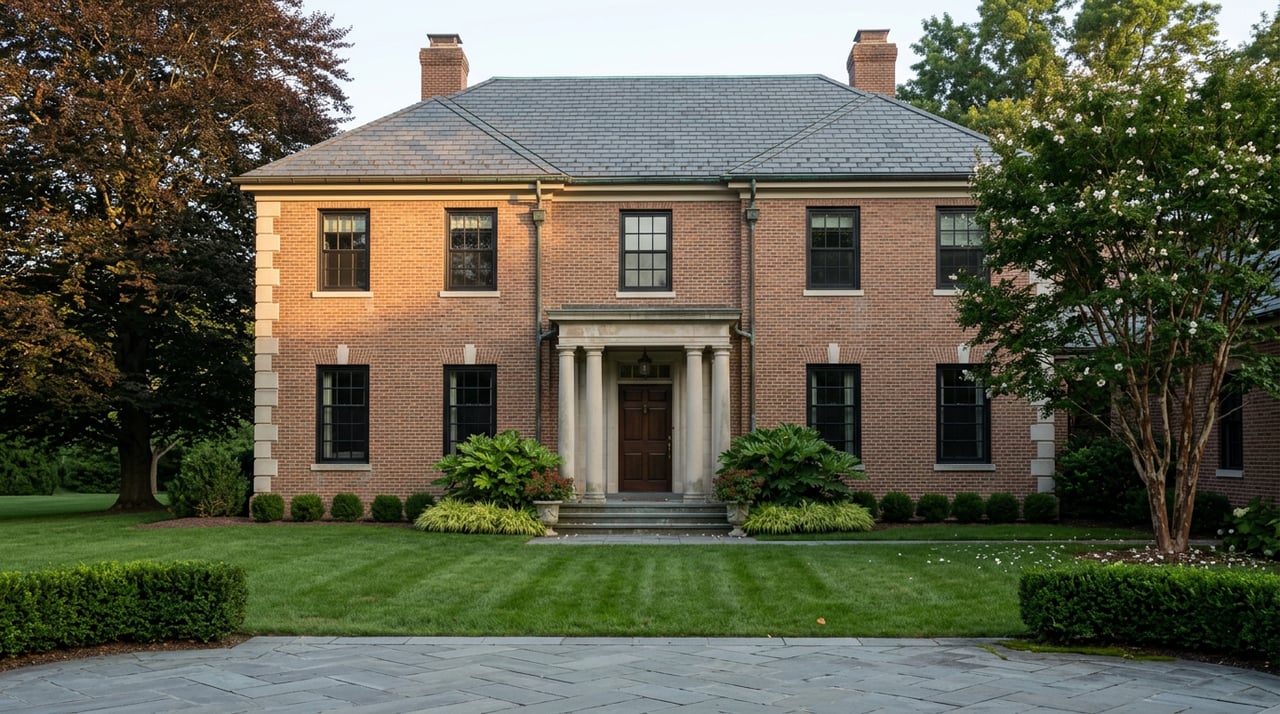
A buyer touring a fairway-facing listing in Broadmoor a few months back asked me, almost as an aside, which tee time worked best for the following Saturday. He'd assumed that a house backing onto the 9th hole came with a locker and a handicap card. It's a reasonable assumption. The house sits inside a guarded gate, the course runs along the back property line, and the whole scene reads like membership is baked into the mortgage.
It isn't. In Broadmoor, the neighborhood and the golf club are two separate institutions with two separate approval processes, and only one of them is guaranteed to anyone who can write a check. Understanding the difference matters more than the median price you'll find on a portal, because the median price only describes what the house costs. It says nothing about what else you're applying for.
The Gate That Comes With the House
Every Broadmoor sale passes through a manned guard station before it passes through underwriting. Getting waved past that gate as a prospective buyer is easy. Getting a sale approved is a separate matter: the Broadmoor Homeowners Association reviews and must sign off on any resale within the community, and buyers pay a move-in fee calculated as a percentage of the settled purchase price, roughly 0.417 percent, on top of monthly HOA dues that run between $200 and $500.
Run that percentage against a recent Broadmoor sale price of $5.4 million and the move-in fee alone lands just over $22,500, a cost that shows up nowhere in a mortgage calculator or a listing's estimated monthly payment. On a $2.85 million home, the same fee comes to roughly $11,900. Neither number is large relative to the purchase price, but both are easy to miss if your closing checklist was built around a typical Seattle transaction rather than a gated one.
This is the part of Broadmoor that money reliably buys. Anyone who clears financing and HOA review gets the guard gate, the private streets, and the quiet. It's the next gate that works differently.
The Door That Doesn't Come With the House
Broadmoor Golf Club, the 115-acre private course the neighborhood is built around, states plainly on its own membership page that admission is "by invitation only through the sponsorship of active members." There is no purchase price that substitutes for a sponsor. Owning a home on the fairway does not put a buyer on a waiting list, and it does not shorten one. Even the club's catered events require a member to sponsor them, so the exclusivity extends well past tee times.
That structure has held for decades, and the cost of getting through it has climbed sharply. A 1990 Seattle Times report on Pacific Northwest country club pricing put Broadmoor's initiation fee at $142,500 that year, up from $15,000 a decade earlier, at a time when the club was already described as Seattle's most exclusive. Broadmoor doesn't publish current membership pricing, so any figure you find today is an estimate rather than a quoted rate, but industry trackers have placed it in the neighborhood of $300,000 plus roughly $1,000 in monthly dues. A 2025 golf forum thread on Seattle-area clubs noted that Broadmoor, along with Seattle Golf Club and Sand Point, keeps even its junior memberships waitlisted.
The mechanism worth sitting with here isn't the dollar figure. It's what the dollar figure can't do. In most markets, price clears scarcity: pay enough and you get in. Broadmoor's club membership doesn't clear that way. Supply is capped by how many current members are willing to sponsor someone new, not by how much a buyer is prepared to spend. You can own the most expensive house on the course and still be years from an invitation, or never receive one at all.
What Two Gates Do to the Housing Market Itself
The same scarcity that governs club access shapes the housing market around it. People who get through both gates tend to stay. Recent closings show how thin the resale pool really is: 1960 Shenandoah Drive E sold for $3.7 million on December 29, 2025, 2124 Broadmoor Drive E sold for $3.5 million on January 8, 2026, 1533 Shenandoah Drive E sold for $2.475 million on March 10, 2026, 1331 Broadmoor Drive E sold for $2,931,975 on March 24, 2026, and 1403 Shenandoah Drive E sold for $5.4 million on March 31, 2026. Five closings across roughly three months, inside a community of about 300 homes on 85 gated acres, is not a market that behaves like the rest of Seattle.
The pace has continued into summer. A five-bedroom home on Shenandoah Drive E went pending on June 16, 2026, listed at $5,695,000, and through early summer 2026 only three Broadmoor homes were on the market at any given time, priced between $2.85 million and $7.75 million.
| Recent Broadmoor closing | Close date | Sale price |
|---|---|---|
| Shenandoah Dr E | Dec 29, 2025 | $3,700,000 |
| Broadmoor Dr E | Jan 8, 2026 | $3,500,000 |
| Shenandoah Dr E | Mar 10, 2026 | $2,475,000 |
| Broadmoor Dr E | Mar 24, 2026 | $2,931,975 |
| Shenandoah Dr E | Mar 31, 2026 | $5,400,000 |
A median calculated from five transactions in three months isn't the same kind of signal as a median calculated from hundreds of sales across a normal Seattle zip code. Each Broadmoor sale is closer to its own negotiation than a data point in a trend line, which means comps matter less than relationships, timing, and knowing which owners might be quietly ready to sell before a listing ever goes live.
Shopping Broadmoor With Both Gates in Mind
None of this is a reason to avoid Broadmoor. It's a reason to budget and search for it differently than you would a typical Eastside or Seattle listing. Build the HOA move-in fee and monthly dues into your total cost from the start rather than treating them as closing-day surprises. If club access matters to you, ask early who in the neighborhood might sponsor an application, because that conversation takes longer than any mortgage approval. And because active inventory sits in the single digits most of the year, plan for a search that may run for months rather than weeks, with a broker who hears about a listing before it's public rather than after.
Broadmoor's setting still does a lot of the work on its own. The neighborhood borders the Washington Park Arboretum and sits an easy walk from Madison Park, so even without a club membership, daily life here includes some of the best public green space and lake access in the city. The house buys that. The clubhouse is a separate conversation, and it's worth having before you write an offer, not after.
Frequently Asked Questions
Does buying a home in Broadmoor include membership at Broadmoor Golf Club? No. The club states that membership is by invitation only through sponsorship from an existing member. Homeownership in the neighborhood does not create a path to membership on its own.
Are there ongoing costs beyond the mortgage? Yes. Buyers pay a one-time move-in fee to the Broadmoor Homeowners Association, roughly 0.417 percent of the purchase price, along with monthly HOA dues in the $200 to $500 range.
Can someone experience the club without being a member? Only through a member. Even catered private events at the clubhouse require a member sponsor, so there's no public-access path to the course or the clubhouse itself.
Broadmoor rewards patience and local relationships more than it rewards speed. If you're weighing a purchase here against other Seattle or Eastside neighborhoods, Exact Home Team can walk through what the HOA process actually involves, what current inventory looks like, and how to think about the club question before it becomes a surprise. Let's Get Started.